妖怪大魔王・コバ法王の日記

NPO法人GRA代表、妖怪:小林が書く、オートバイや人生、社会や文化など、日頃思っている事です

療養日記「10月1日」/ Recovery Diary "October 1st"


心房細動による心不全になり、一時は体調が苦しくなり、耐えきれず入院をしました。そして、心不全で発症しやすい症状の一つが「肺に水が溜まる」ことによる呼吸困難です。

I developed heart failure due to atrial fibrillation, and at one point my condition became so severe that I couldn't bear it any longer and was hospitalized. One of the symptoms that commonly occurs with heart failure is difficulty breathing due to fluid accumulation in the lungs.


今回の心不全では、肺に溜まる水の影響で、横になると息が出来ず窒息してしまうので、起きて坐ったまま眠る「起坐呼吸」という状態まで悪化してしまいました。けれど、お蔭様で、それから約一か月が経ち、徐々に肺から水が抜け、炎症も少しずつ改善している事がレントゲン画像からも確認できました。透明な痰(たん)が日に何度も出てくるので、肺や気管の炎症はまだ続いていますが、日々、回復している事を報告します。

In this case of heart failure, the fluid accumulation in my lungs caused me to suffocate when lying down, leading to a condition called orthopnea, where I had to sleep sitting up. However, thankfully, about a month has passed since then, and the fluid has gradually drained from my lungs, and the inflammation has been seen to be slowly improving, as confirmed by X-ray images. I still have clear phlegm several times a day, so the inflammation in my lungs and trachea is still present, but I am reporting that I am recovering day by day.


療養日記「検査に検査」/ Medical Diary: "Test after Test"


先日、心房細動の外科的処置(カテーテルアブレーション)の可能性を探るため、地域の総合病院から紹介を受けた近郊の心臓専門クリニックでの診断は、「当院では適切に対応出来ないので、より詳しい検査などの対応が可能な病院を紹介します」でした。

The other day, I was referred by a local general hospital to a nearby cardiology clinic to explore the possibility of surgical treatment (catheter ablation) for atrial fibrillation. The diagnosis was, "We cannot adequately handle your case here, so we will refer you to a hospital where more detailed tests and treatment are possible."

そして、今日(9/28)、その紹介を受けた病院へ行って来ました。
通常の問診に続いて、行なった検査は、今まで何度も行なってきた電気信号の検査(心電図検査)と心臓の形や動きの検査(心臓エコー)と変わり映えしませんでしたが、次に新しい検査が二つ控えていました。一つは、心臓の筋肉に血液を送る血管の検査(心筋血流シンチアデノシン負荷検査)です。これによって、狭心症や心筋梗塞などにより、心臓の筋肉(心筋)へ送られる血液が不足していないかが確認できる様です。

And today (September 28th), I went to that hospital.
Following the usual consultation, the tests performed were the same as before: an electrical signal test (electrocardiogram) and an examination of the heart's shape and movement (echocardiogram). However, two new tests were scheduled. One was an examination of the blood vessels that supply blood to the heart muscle (myocardial perfusion scintigraphy). This apparently confirms whether there is insufficient blood supply to the heart muscle due to angina or myocardial infarction.

もう一つの検査は、心臓の筋肉の疲弊や破損度の検査(造影MRI検査)で、これによって、「傷んだ心臓の筋肉がどれくらい回復可能か」、「今後の不整脈や心不全治療(投薬の調整やカテーテル治療など)で何を選択するのが最善か」を精密に見極められる検査の様です。

The other test is an examination of the degree of fatigue and damage to the heart muscle (contrast-enhanced MRI). This test will allow for a precise determination of "how much of the damaged heart muscle can recover" and "what is the best course of action for future arrhythmia and heart failure treatment (such as adjusting medication or catheterization)."
提示された二つの検査は明後日(9/30)に半日を費やして受ける予定です。その後、血液検査を加えて、10月末に診断結果と治療の提案を受ける事が出来そうです。
次から次へと病院を紹介され、新しい病院を訪れるのは決して心弾むものではありませんが、今回の様に、身体の状態をより正確に把握できるとすれば嬉しいものです。例え、検査の結果で治療方法が限定されたとしても、残された治療や対処に集中できる特典があります。生きる希望が増してきました。

These two tests are scheduled for the day after tomorrow (September 30th), and will take half a day. After that, blood tests will be added, and I should receive the diagnosis and treatment proposal at the end of October.
Being referred to one hospital after another and visiting new hospitals is certainly not something I look forward to, but it's reassuring when it allows me to understand my physical condition more accurately, as in this case. Even if the test results limit treatment options, it gives me the advantage of being able to focus on the remaining treatments and management. My hope for life has increased.



療養日記「検査に検査」/ Medical Diary: "Test after Test"


先日、心房細動の外科的処置(カテーテルアブレーション)の可能性を探るため、地域の総合病院から紹介を受けた近郊の心臓専門クリニックでの診断は、「当院では適切に対応出来ないので、より詳しい検査などの対応が可能な病院を紹介します」でした。

The other day, I was referred by a local general hospital to a nearby cardiology clinic to explore the possibility of surgical treatment (catheter ablation) for atrial fibrillation. The diagnosis was, "We cannot adequately handle your case here, so we will refer you to a hospital where more detailed tests and treatment are possible."


そして、今日(9/28)、その紹介を受けた病院へ行って来ました。
通常の問診に続いて、行なった検査は、今まで何度も行なってきた電気信号の検査(心電図検査)と心臓の形や動きの検査(心臓エコー)と変わり映えしませんでしたが、次に新しい検査が二つ控えていました。一つは、心臓の筋肉に血液を送る血管の検査(心筋血流シンチアデノシン負荷検査)です。これによって、狭心症や心筋梗塞などにより、心臓の筋肉(心筋)へ送られる血液が不足していないかが確認できる様です。

And today (September 28th), I went to that hospital.
Following the usual consultation, the tests performed were the same as before: an electrical signal test (electrocardiogram) and an examination of the heart's shape and movement (echocardiogram). However, two new tests were scheduled. One was an examination of the blood vessels that supply blood to the heart muscle (myocardial perfusion scintigraphy). This apparently confirms whether there is insufficient blood supply to the heart muscle due to angina or myocardial infarction.


もう一つの検査は、心臓の筋肉の疲弊や破損度の検査(造影MRI検査)で、これによって、「傷んだ心臓の筋肉がどれくらい回復可能か」、「今後の不整脈や心不全治療(投薬の調整やカテーテル治療など)で何を選択するのが最善か」を精密に見極められる検査の様です。

The other test is an examination of the degree of fatigue and damage to the heart muscle (contrast-enhanced MRI). This test will allow for a precise determination of "how much of the damaged heart muscle can recover" and "what is the best course of action for future arrhythmia and heart failure treatment (such as adjusting medication or catheterization)."

提示された二つの検査は明後日(9/30)に半日を費やして受ける予定です。その後、血液検査を加えて、10月末に診断結果と治療の提案を受ける事が出来そうです。
次から次へと病院を紹介され、新しい病院を訪れるのは決して心弾むものではありませんが、今回の様に、身体の状態をより正確に把握できるとすれば嬉しいものです。例え、検査の結果で治療方法が限定されたとしても、残された治療や対処に集中できる特典があります。生きる希望が増してきました。

These two tests are scheduled for the day after tomorrow (September 30th), and will take half a day. After that, blood tests will be added, and I should receive the diagnosis and treatment proposal at the end of October.
Being referred to one hospital after another and visiting new hospitals is certainly not something I look forward to, but it's reassuring when it allows me to understand my physical condition more accurately, as in this case. Even if the test results limit treatment options, it gives me the advantage of being able to focus on the remaining treatments and management. My hope for life has increased.


療養日記「9月16日」/ Medical Diary, September 16th


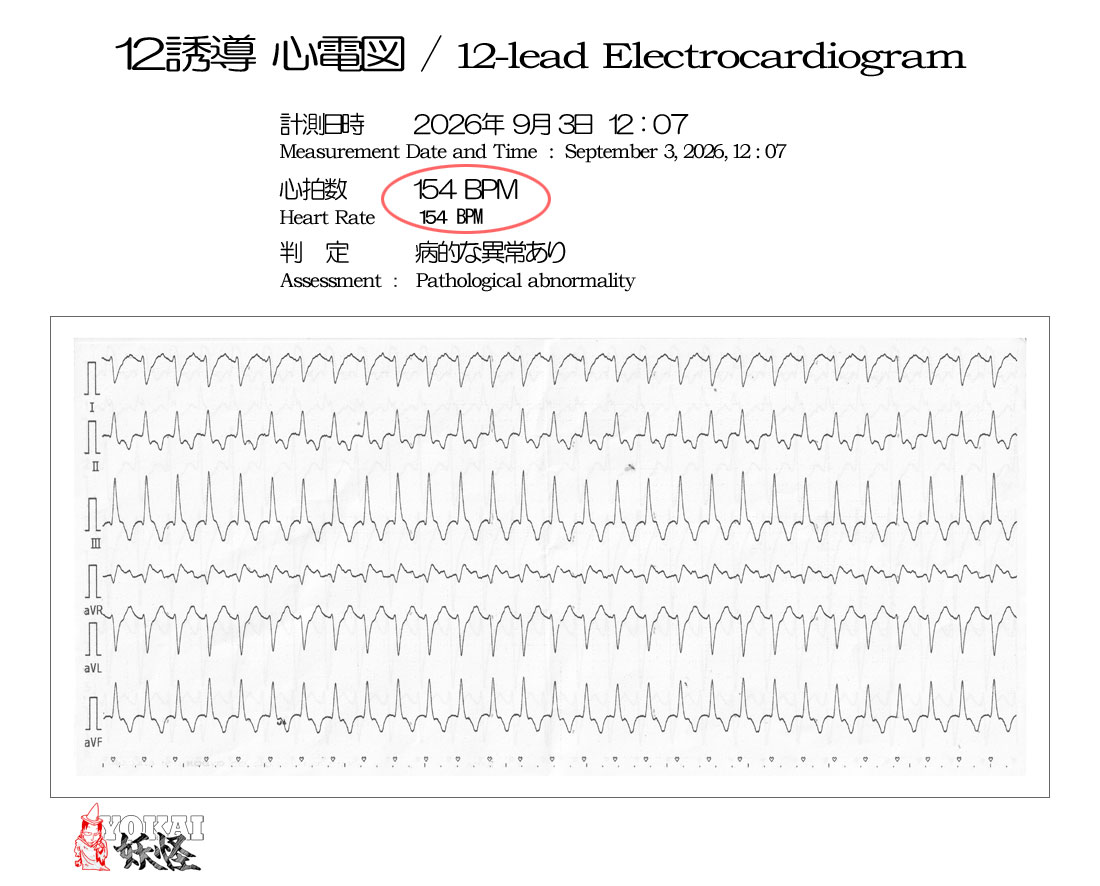
心房細動とは、主に心臓の左心房が細かく振動(痙攣)する症状の事で、平静時でも脈拍が異常に高くなりますが、心臓が血液を送り出すポンプとしては機能していないので、単に「動悸」を感じるだけでなく、心臓機能低下による「心不全」の症状を引き起こします。以下の心電図は、9月3日、心不全で入院前に計測したものです。

Atrial fibrillation is a condition where the left atrium of the heart vibrates (spasms) rapidly. Even at rest, the pulse rate is abnormally high. Because the heart is not functioning as a pump to circulate blood, it not only causes palpitations but also leads to symptoms of heart failure due to decreased cardiac function. The following electrocardiogram was measured on September 3rd, before hospitalization for heart failure.


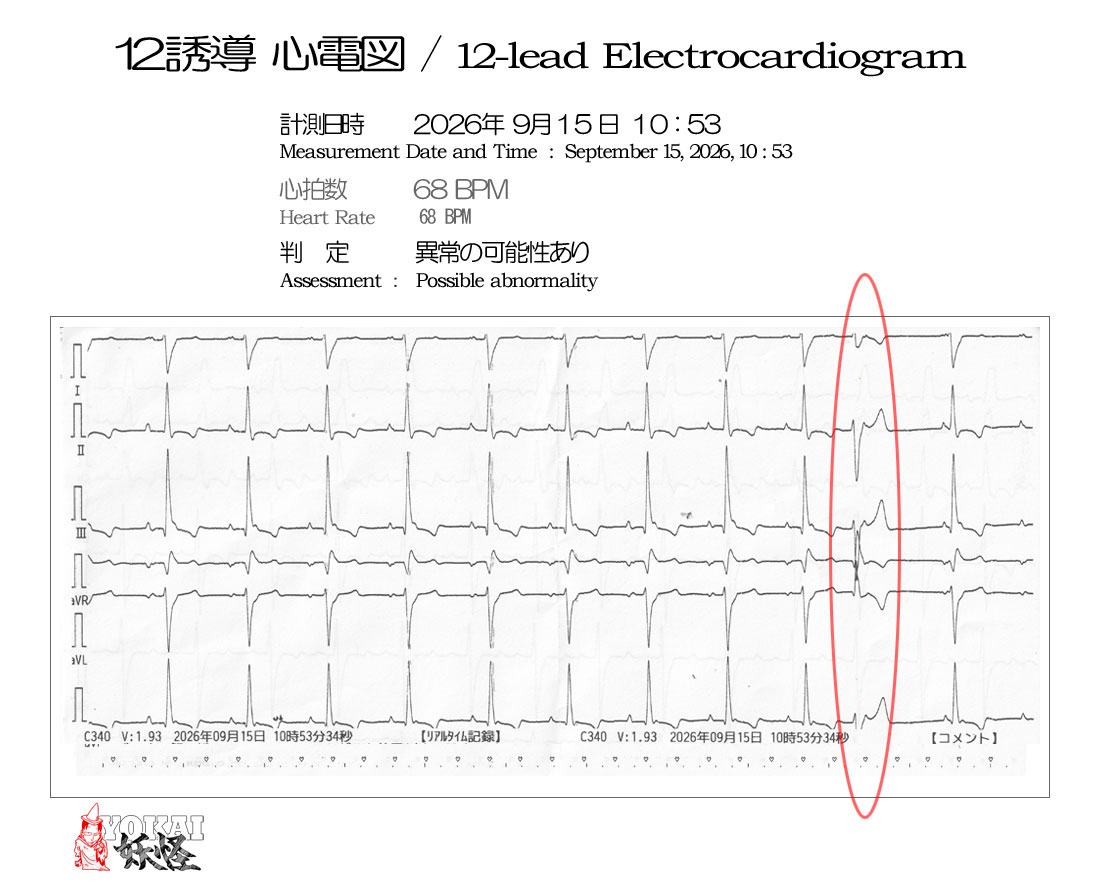
心拍数は 154 BPM と異常に高いのですが、身体から老廃物などを排出する機能が低下した為、この翌日から「起坐呼吸」と云う深刻な呼吸困難に襲われる様になり、救急で入院をしました。3年前、心不全で入院した際には、心房の中の殆どを占める大きさの「血栓」が確認されましたが、今回は幸いな事に血栓は発見されませんでした。そして、退院後 一週間ほどで、下図の様に脈拍は安定する様になりました。

My heart rate was abnormally high at 154 BPM. Because the body's ability to eliminate waste products was impaired, I began experiencing severe shortness of breath (orthopnea) the following day and was admitted to the emergency room. Three years ago, when I was hospitalized for heart failure, a blood clot large enough to occupy almost the entire atrium was found. Fortunately, no blood clot was found this time. About a week after discharge, my pulse rate stabilized as shown in the diagram below.


脈拍は 68 BPM と安定していますが、赤枠の場所に現れている様に、明らかに異常な信号が発信されている事が判ります。医学的には、心臓の動きをコントロールしている自律神経系の異常とされていて、その神経系の一部を高周波などで除去する手術が推奨されています。一度、専門病院での相談を検討しています。

The pulse rate is stable at 68 BPM, but as can be seen in the area highlighted in red, there is clearly an abnormal signal being emitted. Medically, this is considered an abnormality in the autonomic nervous system that controls heart function, and surgery to remove a part of that nervous system using high-frequency waves is recommended. I am considering consulting a specialist hospital.


療養日記「9月15日」/ Recuperation Diary "September 15th"


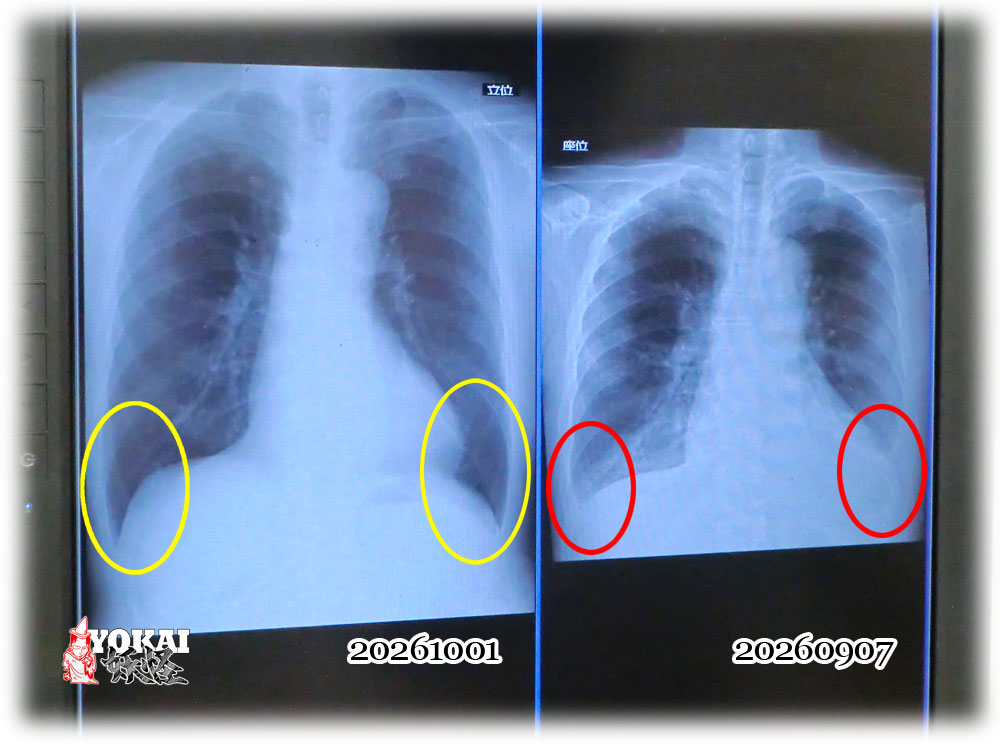
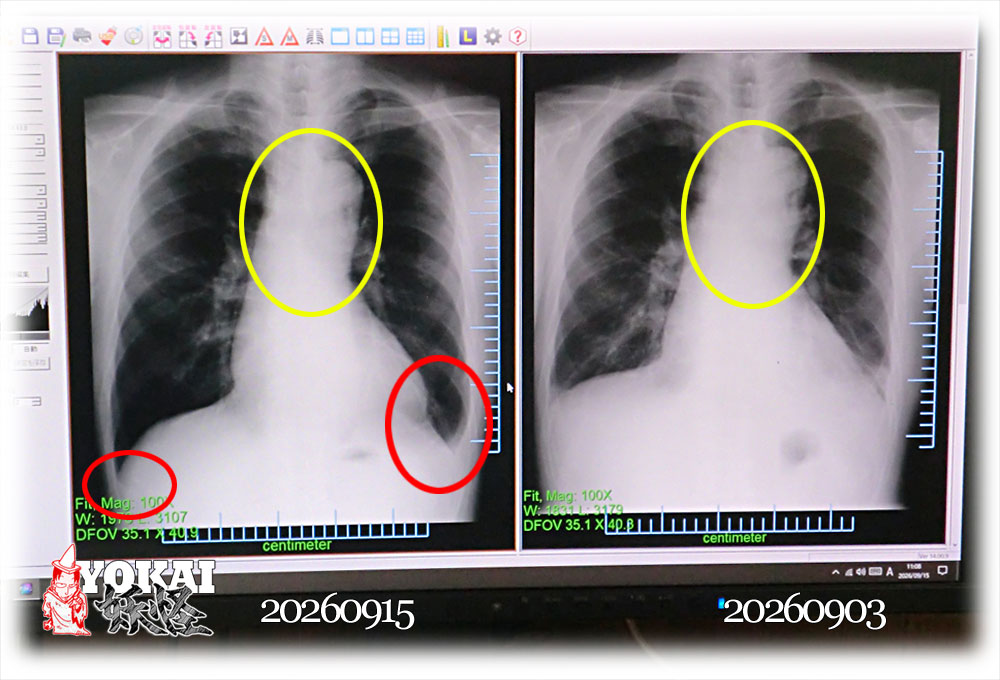
心房細動が原因の心不全を治療して退院した後も、息苦しさは解消していないので、胸部のレントゲン撮影をしてきました。
Even after being discharged from the hospital following treatment for heart failure caused by atrial fibrillation, my shortness of breath hasn't subsided, so I had a chest X-ray taken.


左側の画像は、右側の入院前(9月3日)と較べると、肺に溜まっていた水は確実に減っていますが、端部(赤枠)にはまだ残っており、退院して 6日経ちますが、完全には回復していない様子がはっきりと映っています。一方、心臓(黄枠)は輪郭が明確になり、小さく映っていて、状態が改善している事が判ります。
まだ時間は必要でしょうが、完全に回復を目指して療養を続けます。

Compared to the image on the right (before hospitalization, September 3rd), the fluid in my lungs has definitely decreased, but some still remains at the edges (red frame). Six days after discharge, it's clear that I haven't fully recovered. On the other hand, my heart (yellow frame) is more clearly defined and appears smaller, indicating improvement.

I'll probably need more time, but I'll continue my treatment with the goal of complete recovery.


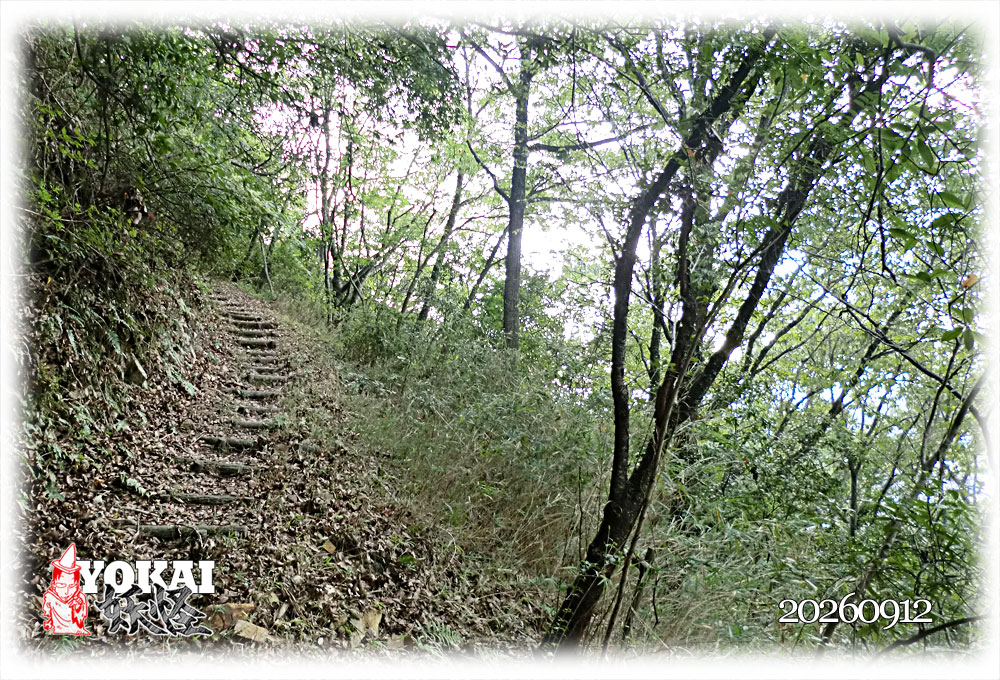
“山歩き”再開します / Resuming “Mountain Walking”


“山歩き”再開します。
“リハビリ” 再会します。
I am resuming “mountain walking.”
I am resuming my “rehabilitation.”


3年前もそうでしたが、心不全で入院して 一気に体力が落ちました。
病院からの帰り道、100m 以上を連続して歩けませんでした。
患者ごとの基礎代謝量に配慮しない病院食も要因でしょうし、
運動量を規制されたのも要因かも知れません。

It was the same three years ago: after being hospitalized for heart failure, my physical strength plummeted.
On the way home from the hospital, I couldn't even walk more than 100 meters at a stretch.
Hospital meals that didn't account for individual basal metabolic rates were likely a factor,
as were the restrictions placed on my physical activity.


でも、3年前の退院時と較べると体調はずっと好調です。
だから、前回と同様に、リハビリで良くなると信じています。
焦らず、少しずつ積み重ねていきます。

However, my physical condition is much better now than it was when I was discharged three years ago.
So, just as before, I believe that rehabilitation will lead to improvement.
I will take it slow and steady, building up my strength little by little.


>


療養日記 「3年4か月」/ Recovery Notes: Three Years and Four Months


持病の心房細動の影響によって、9月、心不全の症状が確認できたので、医療機関で診察と治療を受けました。そして、現在の身体の状況の他に、医療の現状や限界を改めて確認出来た良い機会になりました。

In September, I noticed signs of heart failure again, so I went to the hospital. It turned out to be a good chance to check not only my condition but also the limits of current medical care.


『 通院ですか? / Is it Correct? 』

3年前、重篤な心不全になって入院した経験から、今回の体調不良も心不全の兆候の一つと捉えられたので、入院に必要な器具一式を携えて、タクシーを使って、市の中核医療施設を受診したのですが、下された処置は「通院」。一種類の薬だけを処方して、「次は一週間後にお出でください」との対応でした。

Because I had a severe heart failure episode three years ago, I went fully prepared for another emergency admission. But the hospital simply told me to come back in a week and gave me one medication.


『 息ができない! / Difficulty Breathing 』

しかし、自宅に戻り、処方された薬を飲んでも状況は悪くなる一方で、深刻な「起坐呼吸」に見舞われて、夜に眠れなくなったのです。この「起坐呼吸」とは、心不全などの症状が進んだ時に起きる症状で、横になって休もうとすると、排出されずに体内に残っていた体液や老廃物が肺の中に湿潤してしまい、呼吸が全く出来ず、窒息状態に陥る症状で、これを回避する為に 起きて坐り続ける事から名付けられたものです。そして、三日間の我慢の後、今度は救急車で直接入院をする事を選びました。

Back home, things got worse. I developed orthopnea—when lying down, fluid stays in the lungs and you can’t breathe. I couldn’t sleep at all. After three nights of this, I finally called an ambulance and was admitted directly.


『 半日で4リットル / 4 Liters in Half a Day 』

入院してからの処置はさほど複雑ではありませんでした。血液検査や心電図検査を行なった後、「ATP」を点滴と一緒に静脈注射を行なって、頻脈の原因となっている心臓の鼓動を一時的にリセットする処置を数度行なったものの効果は無く、最も効果を挙げたのは「利尿薬」によって老廃物・水分を対外に排出させる処置でした。お陰で、午前10時過ぎに入院してからの半日・12時間で4リットルほどの尿が排出できて、「起坐呼吸」・呼吸困難な症状は解消しました。

The treatment wasn’t complicated. Resetting my heartbeat with ATP didn’t work, but diuretics did. In just twelve hours, I passed about four liters of urine, and the breathing trouble disappeared.


『 3年4か月 / 3 Years and 4 Months 』

こうして、3泊の短い入院生活から解放されましたが、心房細動の発作との付き合いはこれからも続きます。
思い返せば、3年と4か月前、もっと重篤な心不全の症状を克服した時の僕は大変に疲弊していました。そして、心房細動の発作は 1週間に3~4度襲ってきて、発作を抑えるには 丸一日横になって休む必要がありました。それから、生活習慣や食生活の改善に努めて、最近では、発作頻度をひと月に一回程度まで抑えられるまでになっていました。だから、改めて、生活習慣やストレスを見直して、この発作を抑える努力を続けていきます。更に、この発作を抑える心臓外科手術も格段に進み、以前より普及しています。だから、3年前よりは、自信と環境が整っているので安心です。

After three nights in the hospital, I was discharged. My atrial fibrillation will continue, but I’ve come a long way. Three years ago, I was exhausted and had attacks three or four times a week. Now, with lifestyle changes, it’s down to about once a month. I’ll keep working on stress and habits, and surgery options have improved a lot since then. I feel more confident than before.


『 僕が主治医です / I am the Primary Physician 』

これは、今回診療を担当して下さった医師の方に伝えた言葉です。主治医とは、本来、その患者の一生に関して責任を負う人であるべきですから、例え医療的な知識が充分でなかったとしても、患者本人が主治医になるべきだと考えいます。そして、「オートバイの整備業界も医療業界に似ている」という事に想いを巡らせました。整備を行なうための専用の施設を備え、専用の検査設備と器具、そして専門知識を備えたスタッフが常駐しいて、オートバイのオーナーが充分に理解していない専門用語を駆使して細かな事の説明は行なえるのですが、全体を俯瞰して、オートバイとオートバイライフの幸せを指摘する事は多くありません。だから、僕は、オーナーこそオートバイの主治医であるべきだと考えているので、そんな人にとって有益な情報をこれからも発信していく思いを強くしました。

I told the doctor, “I’m my own primary physician.” A primary physician should care about a patient’s whole life, and even without full medical knowledge, the patient should take that role. It made me think about motorcycle maintenance. The industry has specialists, tools, and technical terms, but they rarely look at the rider’s whole life with the bike. That’s why I believe the owner should be the bike’s real primary doctor. I want to keep sharing information that helps people take care of their own motorcycles.